
Wine tourism
in Champagne
We offer you a tailor-made tour with driver in a luxury 6-seater Multivan.
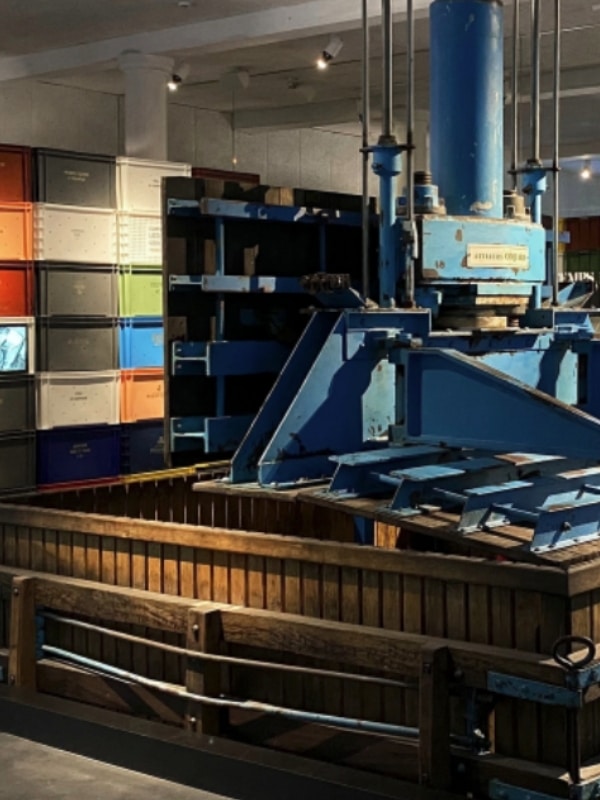
We’ll take you to the region’s most emblematic sites, such as the village of Dom Pérignon, the spiritual father of Champagne. You’ll learn all about Champagne culture at the Champagne Wine and Archaeology Museum in Epernay or live an interactive experience at the Préssoria Sensory Museum in Ay.
Nature lovers will discover the “Faux de Verzy” in an exceptional forest, and history buffs can visit the Nogent-l’Abbesse fort built in 1878, which endured the ravages of two world wars.
Each visit ends with a wine tasting at Domaine Coutant.
Book your Package
Pressoria
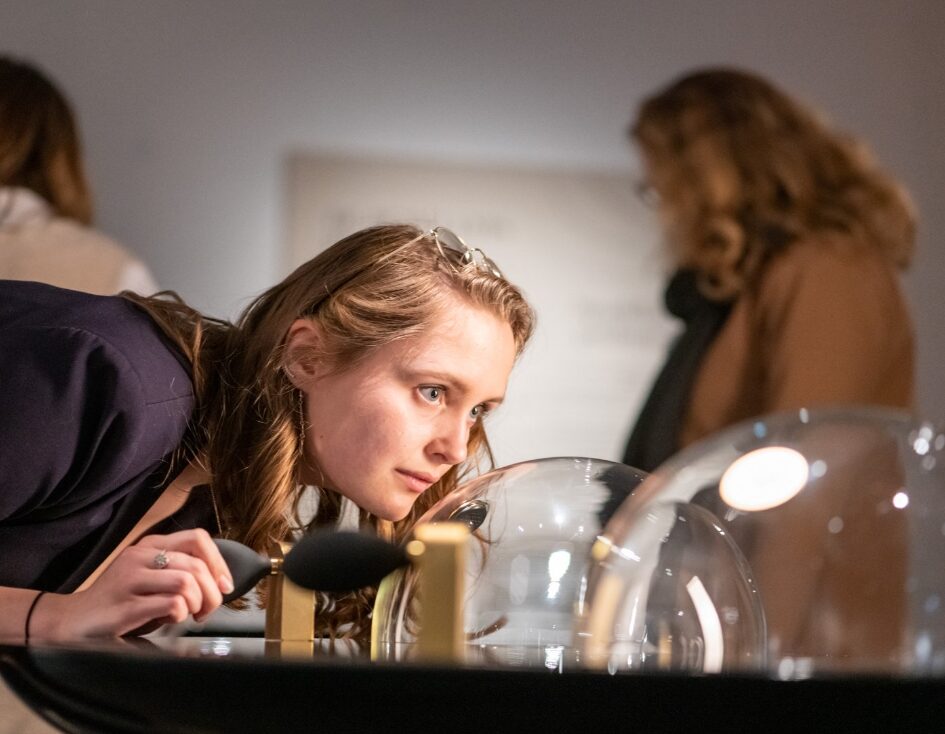
Embark on a unique interactive, fun and multi-sensory experience.
With family or friends, come and unravel the mysteries of this mythical wine !
Observe, touch, smell, listen and taste…
Explore PRESSORIA’s immersive, interactive tour at your own pace. Discover the wine of kings through your 5 senses.
LIGHTHOUSE OF THE VERZENAY MUSEUM
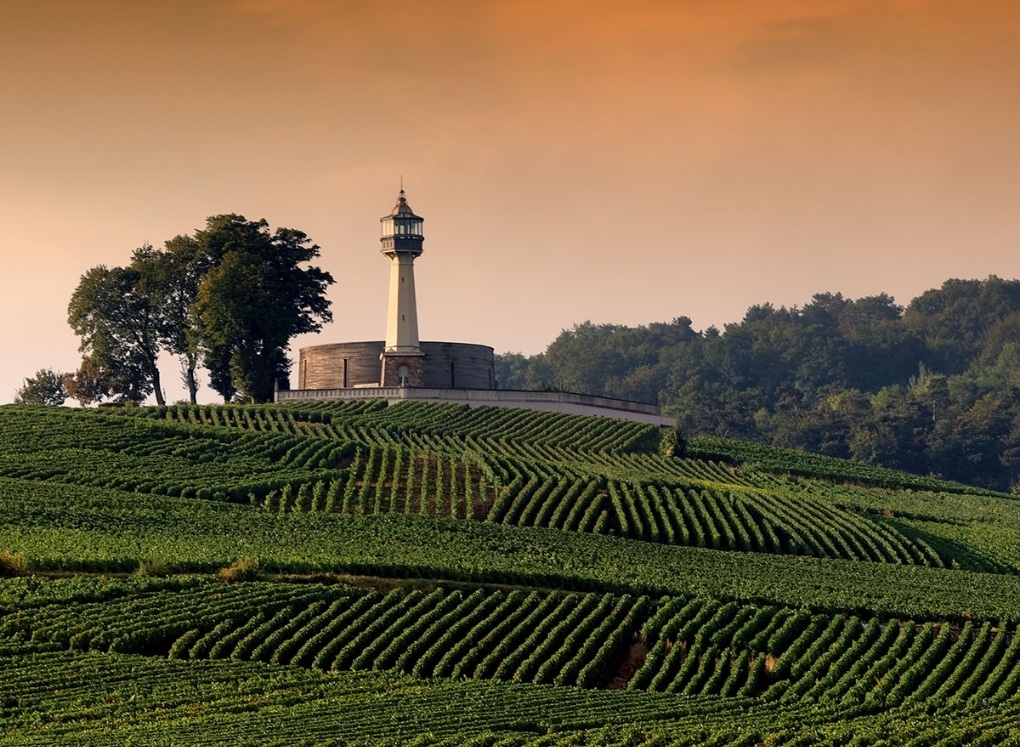
Overlooking one of the most prestigious hillsides of the Montagne de Reims, the Lighthouse of Verzenay and its Vine Museum invite you to explore the fascinating world of the Champagne vineyards.
A fun and educational way to discover the Champagne vineyard, through dedicated areas
Visit the top of the lighthouse is accessible. Come and enjoy the exceptional panorama panorama!
A dedicated area for champagne tasting from the winegrowers of the Montagne de Reims. Champagnes are available for purchase in the boutique of the lighthouse.
VISIT
THE FAUX DE VERZY
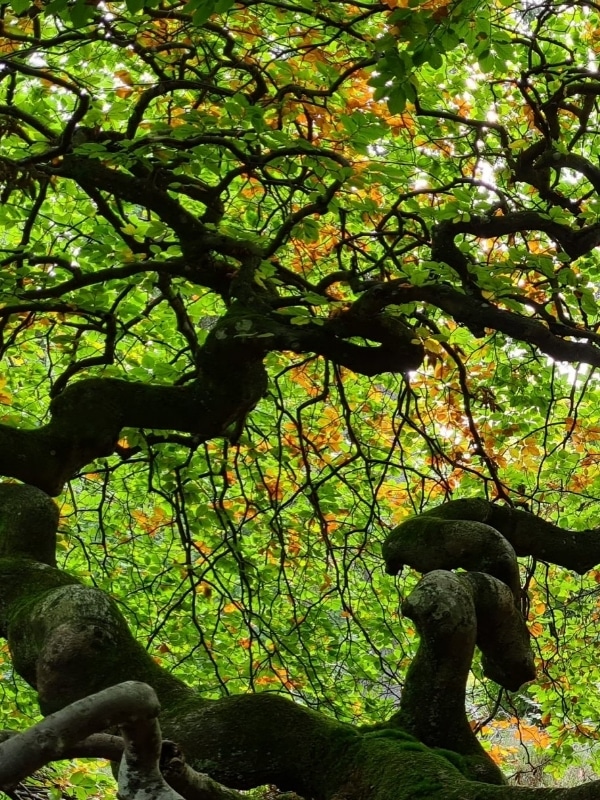
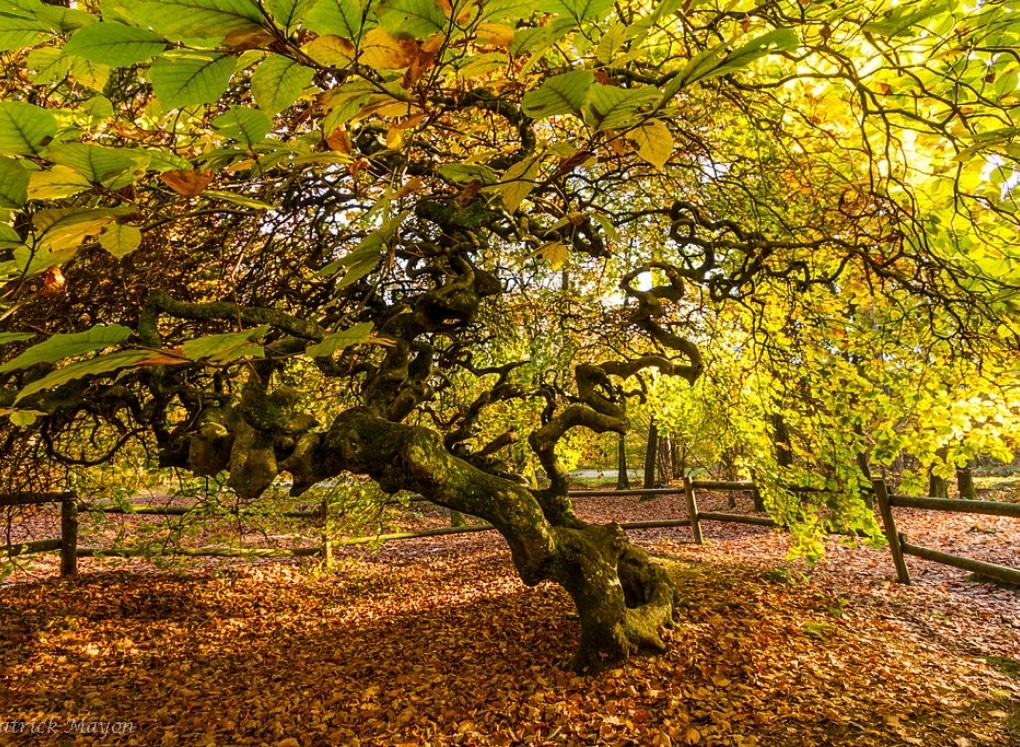
With over 1,000 trees, the national forest of Verzy is the world’s leading reserve of this kind of trees.
The Faux de Verzy are twisted beech trees, a variety of beech with twisted branches and twigs and singular shapes, the origin of which is still obscure to botanists.
The Faux de Verzy, spectacular trees with very slow growth and exceptional longevity, play a major role in the uniqueness of the Montagne de Reims Regional Nature Park.
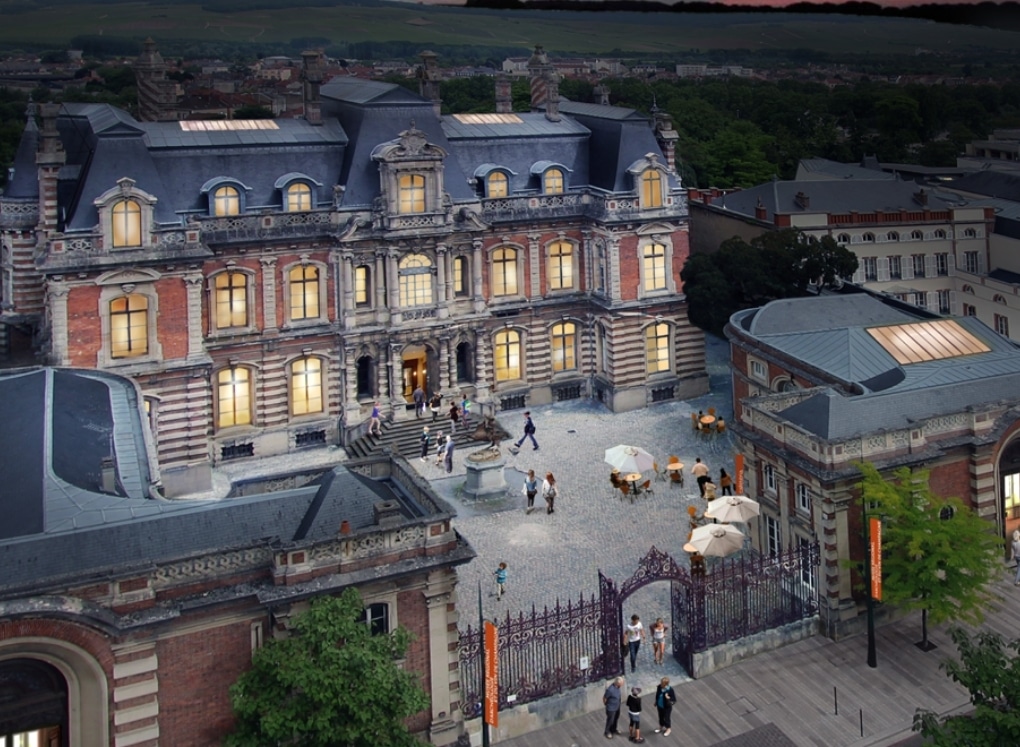
Museum of Champagne wine<br
Discover the Château Perrier and the Museum’s collections through four different tracks that present the treasures of Champagne’s heritage.
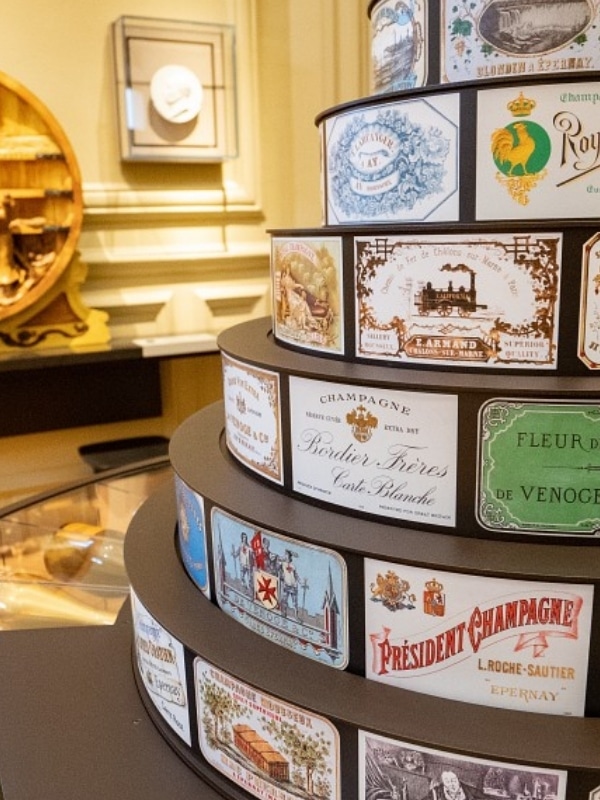
The Épernay Museum houses one of the most important archaeological collections in France, as well as a remarkable heritage of Champagne wine-making and history, and also 19th-century collectors and patrons.
And don’t forget to visit the reception rooms and the Grand Caveau.
TASTING NOTES
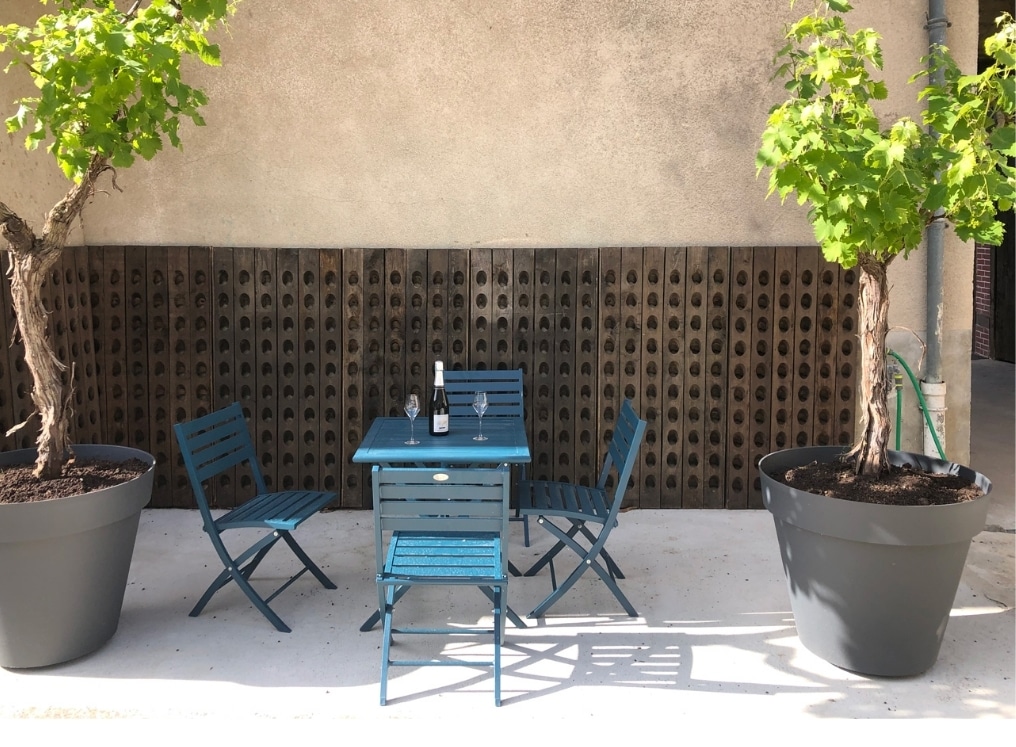
AT THE DOMAINe COutant
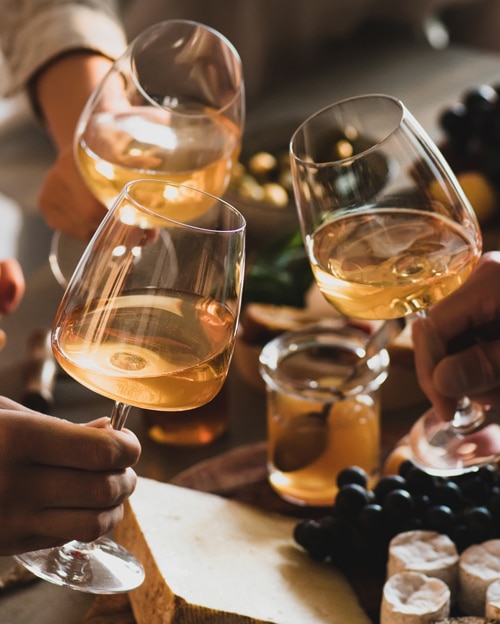
Come and take a breath of fresh air in the tranquil village of Nogent L’Abbesse with this guided tour that will help you to learn more about the vineyards work, and end the experience with a tasting of 3 different Coutant Champagne cuvées.
VISIT THE NOGENT
L'ABBESSE COOPERATIVE
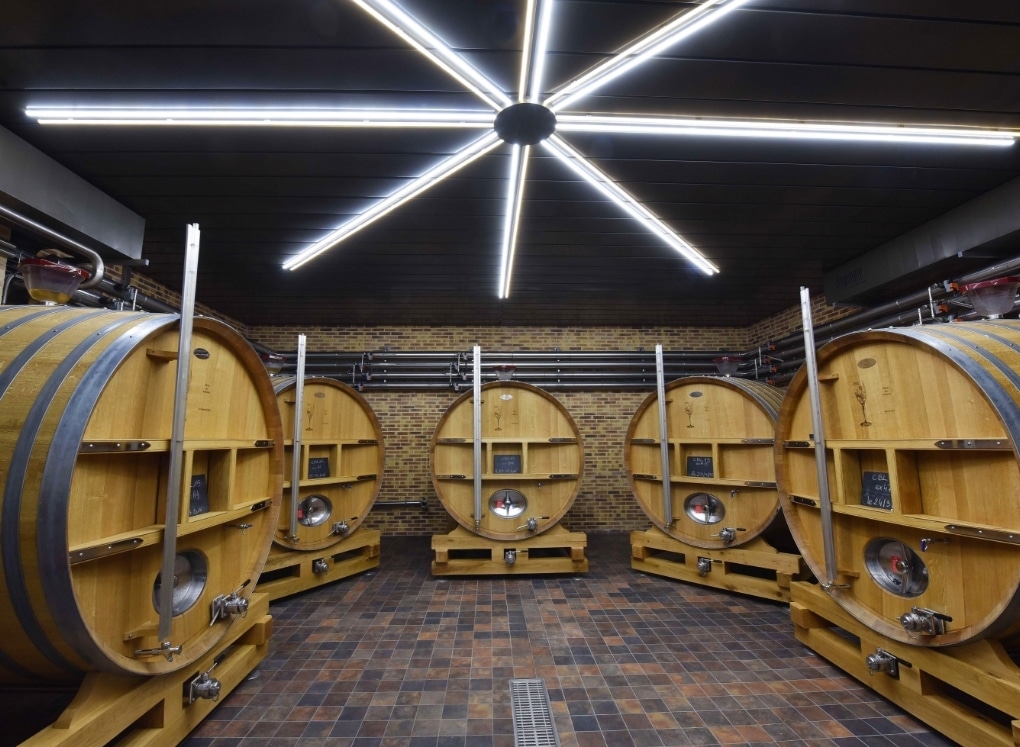
The cooperative was founded in 1961 by 80 winegrowers covering 38 hectares, and is now one of the 140 wine cooperatives in Champagne.
With 230 hectares of vines in supply in 2020 for 330 members, it is one of the leading cooperatives.
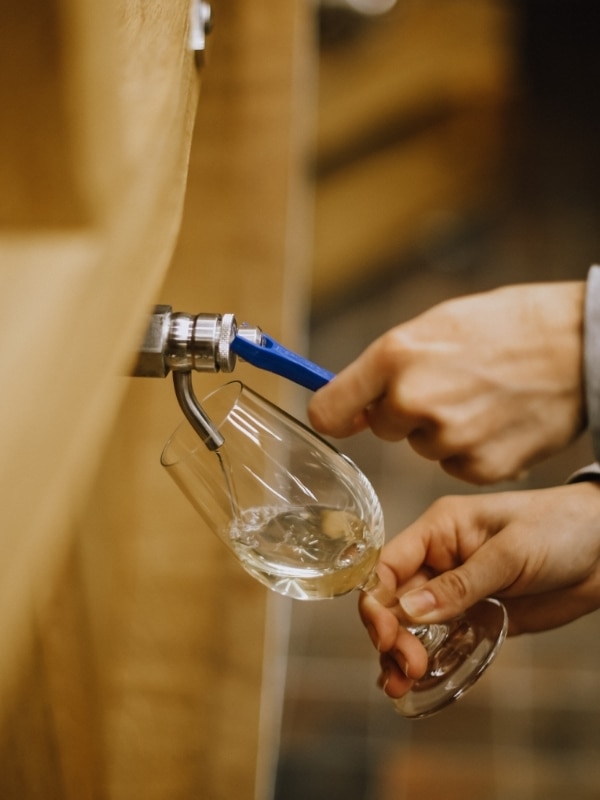
Here, we’ll discover the different stages in champagne production, from the arrival of the bunch of grapes at the pressing center to bottling.
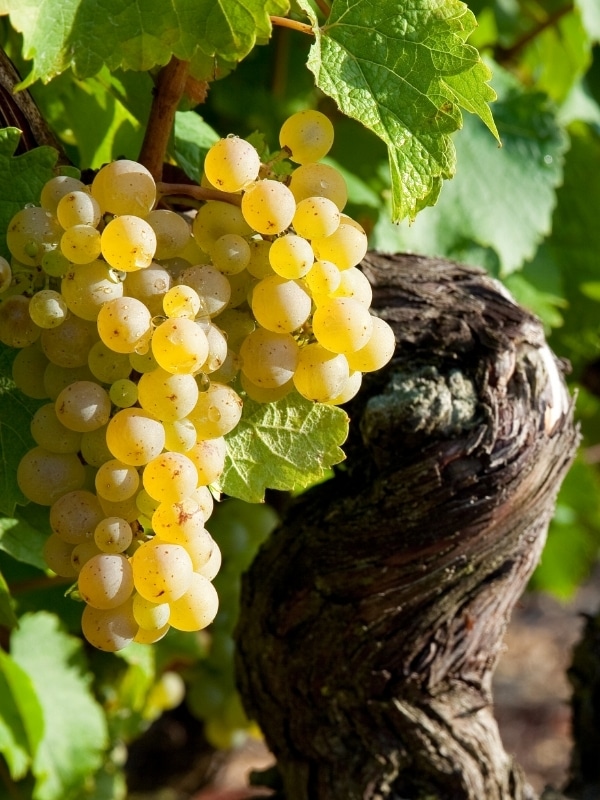
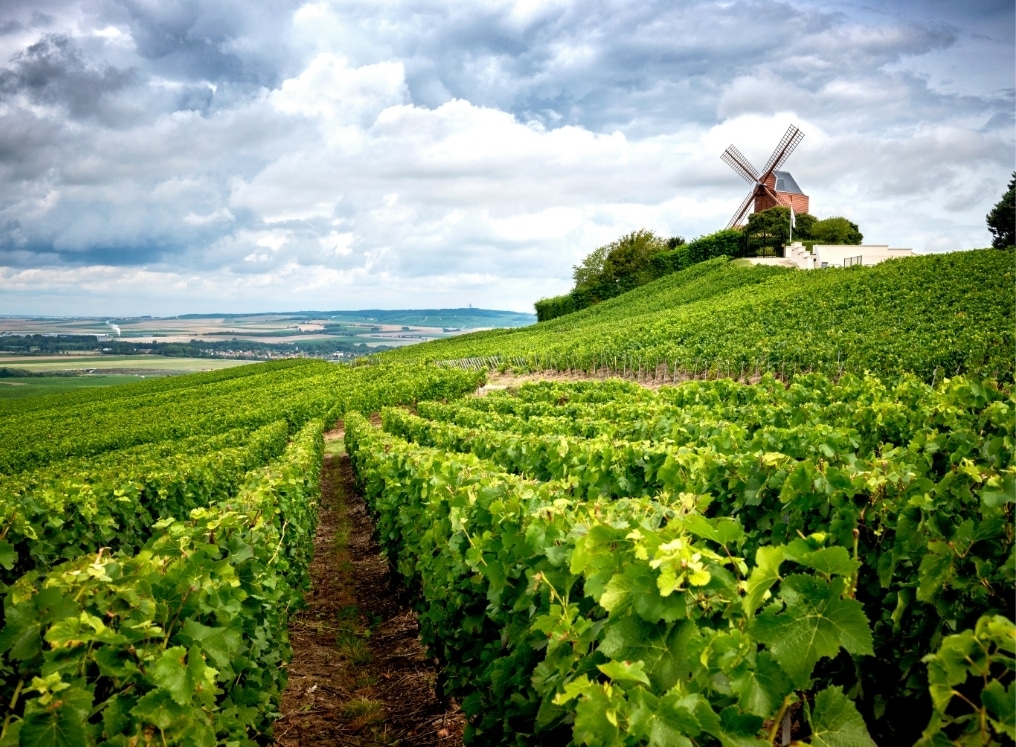
champenois vineyard
Tour
Are you a wine lover looking for a unique and unforgettable experience?
The Champenois vineyard tour is the perfect way to discover the best of French wine and culture.
This unique tour takes you to the magnificent Champagne region, where you’ll have the opportunity to visit some of the most beautiful vineyards in the world.
Book your tour today and get ready for a unique experience !
Question/Answer
Yes, the visitors can see the Faux de Verzy and the reserve of faux. The Faux de Verzy is a rare species of twisted beech tree found only in this forest. These trees are a natural wonder and attract visitors from all over the world.
The Faux Reserve is an area of the forest containing a large number of twisted beech trees. Visitors can take a guided tour of the reserve to learn more about the Faux de Verzy and how they grow. The guides are very familiar with the trees and can answer any questions visitors may have.
In addition to the guided tour, visitors can also explore the forest on their own. The Verzy state forest is a beautiful natural area offering numerous hiking trails, picnic areas and other recreational opportunities. Visitors can take a quiet walk through the forest, admiring the twisted beech trees along the way.
Overall, the Verzy forest is a must-see destination for anyone interested in nature and natural wonders. The Faux de Verzy and the reserve of this kind of trees are just two of the forest’s many attractions. Whether you’re a nature lover, a hiker, or simply looking for a peaceful getaway, the Verzy forest is well worth a visit.
The Lighthouse of Verzenay and its Vine Museum is a prestigious place to discover the Champagne vineyards for several reasons. First of all, the Lighthouse of Verzenay is a lighthouse dating from the 1900s, located in the heart of the Champagne vineyards. Its unique location and history make it a popular tourist attraction.
Then, the vine museum, located inside the lighthouse, presents the history and culture of the Champagne vineyards through an interactive exhibition. Visitors can discover the different stages of wine production, the tools used in the vineyards and the traditions followed for centuries. This informative and educational experience enables visitors to better understand and appreciate the vineyards of Champagne.
Thirdly, the Lighthouse of Verzenay offers a breathtaking view of the Champagne vineyards from its observation platform. Visitors can enjoy a panoramic view of the vineyards and surrounding countryside, making for an unforgettable experience.
Last but not least, Lighthouse of Verzenay has its own champagne bar, where visitors can taste the different varieties of champagne produced by local vineyards. This is an opportunity for visitors to enjoy local products and discover the unique flavours of the Champagne region. In conclusion, Lighthouse of Verzenay and its vineyard museum is a prestigious place to discover the Champagne vineyards because of its historical importance, educational value, magnificent views and the opportunity to taste local produce. It’s an ideal destination for those wishing to discover the Champagne vineyards and the region’s unique culture.
PRESSORIA uses the five senses in its immersive oenology experience to offer a complete learning process and help participants develop a deeper understanding of wine. Following are just a few examples of PRESSORIA’s use of the five senses :
1. Sight : The visit includes a visual presentation of the different types of wine, their colors, textures and appearance. The presentation involves a display of wine glasses, decanters and bottles to help participants visually identify and appreciate the different elements of wine.
2. Smell : participants are encouraged to use their sense of smell to identify and describe the aromas of different wines. The session includes a sensory evaluation of the wine, during which participants are given a variety of scents to help them recognize the different aromas in wine.
3. Taste : The course includes a wine tasting session where participants can taste different types of wine and learn to identify the different flavors and nuances of wine. The tasting session covers a selection of wines from different regions and grape varieties to help participants understand the diversity of wine.
4. Touch : Participants are encouraged to use their sense of touch to identify the different textures and mouthfeel of wine. The workshop includes a demonstration of the mouthfeel of wine and the influence of different glasses on the taste and texture of wine.
5. Hearing : The experience involves a discussion of the sounds associated with wine, such as the cork popping and the wine pouring into the glass. The visitors are also invited to discuss the different sounds and noises they associate with wine.
Overall, PRESSORIA uses all five senses in its immersive oenology training course to create a comprehensive and engaging learning experience. By appealing to all the senses, people can develop a deeper understanding and appreciation of wine.
If you’re fascinated by the history and culture of wine, the Museum of Champagne wine and regional archaeology in Epernay and the the Préssoria Sensory Museum in Ay offer exciting learning opportunities to explore the world of champagne and sensory science.
Museum of Champagne wine and regional archaeology in Epernay is a great place to discover the history of the Champagne region and the evolution of wine production and culture over the centuries. You can explore the ancient cellars and discover the different methods of champagne production. The museum also presents the unique geology and soil composition that make the Champagne region so special. You can also discover the history of the iconic champagne houses and their contribution to the growth of the region.
The Préssoria sensory museum in Ay takes a completely different approach about wine learning. This museum focuses on sensory science and how we perceive taste, smell and touch. Here you can discover the complex sensory mechanisms behind wine tasting and production. You can also take part in interactive exhibitions and workshops that allow you to explore your own sensory perceptions.
The museum also features an interactive wine bar where you can discover the different aromas and flavours of champagne. This museum is a must-visit for anyone who wants to increase their understanding of sensory science and discover the beauty of wine tasting.
In conclusion, the Museum of Champagne wine and regional archaeology in Epernay and the Préssoria Sensory Museum in Ay offer exciting learning opportunities to explore the world of champagne and the world of science. With their unique approaches, these two museums are a fascinating journey for wine lovers and anyone interested in history, culture and sensory experience.
A visit to the vineyards of Champagne can be a unique experience for wine lovers or enthusiasts of French culture. This wine-growing region is famous for producing champagne, a world-renowned sparkling drink.
When you visit the Champagne vineyards, you can expect to learn about the different grape varieties used to produce champagne, as well as the winemaking techniques used in the region. You can also learn more about the history and culture of champagne, as well as the different champagne houses that produce the drink.
Places to visit in the region include the town of Epernay, home to many champagne houses, and the city of Reims, home to the famous Reims Cathedral, where the kings of France were crowned. There are also many small villages in the region that offer an authentic atmosphere, as well as tastings of local wines.
When visiting the Champagne vineyards, you can also take part in guided tours that will take you through the vineyards and cellars of various champagne producers. You’ll have the chance to taste different types of champagne and learn more about the production methods.
In conclusion, a visit to the Champagne vineyards is an exciting experience for all wine lovers and those wishing to discover the culture and history of this French wine-growing region.
The Nogent l’Abbesse fort is an impressive historic monument which deserves to be visited for anyone interested in French history or architecture. Located in the town of Nogent l’Abbesse, in north-eastern France, the fort was built in the late 19th century as part of a network of fortifications designed to protect the city of Paris.
One of the most interesting aspects of the fort is its design. It is a classic example of a “polygonal fortification”, meaning that it is shaped like a multi-sided polygon. This design was popular in the late 19th century, as it allowed for a more flexible defence system than traditional fortresses.
Inside the fort, visitors can explore a network of underground tunnels, barracks and weapons storage rooms. The fort was equipped with the latest technology of the time, including an electric lighting system and a telephone network. This advanced infrastructure enabled the fort to maintain communication and coordination in wartime.
As well as its historical importance, the Nogent l’Abbesse fort is also a magnificent site. The fort’s high walls and complex details create an impressive sight that is sure to impress visitors of all ages. Whether you’re interested in French history, architecture or simply want to explore a unique site, the Nogent l’Abbesse fort is well worth a visit.